
Back to Blog
How to Measure CLV Once You’re Limited
October 23, 2026
Getting limited feels like a verdict. A sportsbook cuts your max stake down to a few dollars and you start to wonder if your edge was ever real. Closing Line Value (CLV), the price you got compared to the market’s last price before the event starts, can still answer that question. It just needs a few changes once the soft books stop taking your action.
Why the Soft Book’s Own Close Can Lie to You
A common mistake is to keep grading your bets against the same soft book that limited you. That book’s closing price isn’t always an honest market view.
Soft books shade their prices based on their own liability, meaning how much money they stand to lose on one side of a bet. If a lot of cash lands on one outcome, the book might move the price just to protect itself, not because the true odds changed. Once a book has already limited you for beating its numbers, its closing price is an even less reliable gauge going forward.
Grade every bet against a sharp close, even the ones you placed at a soft book. If you beat the sharp close, you likely found real value. If you only beat the soft close, the evidence is weaker, since you might just be beating a slow book rather than the actual market.
Tag Every Bet or Your ROI Stops Meaning Anything
Return on investment (ROI), is your profit divided by what you staked. It’s useful, but it gets polluted fast once you’re running a mix of accounts.
Limited bettors usually end up with a messy spread: some bets at soft books, some at sharp books or exchanges, some on accounts that are wide open, others on accounts capped at a few dollars. Add promo bets like profit boosts and bonus bets into that same pile and your ROI number stops telling you anything real. Promos add value that has nothing to do with your actual handicapping skill, so mixing them in can make your real cash betting look stronger than it is.
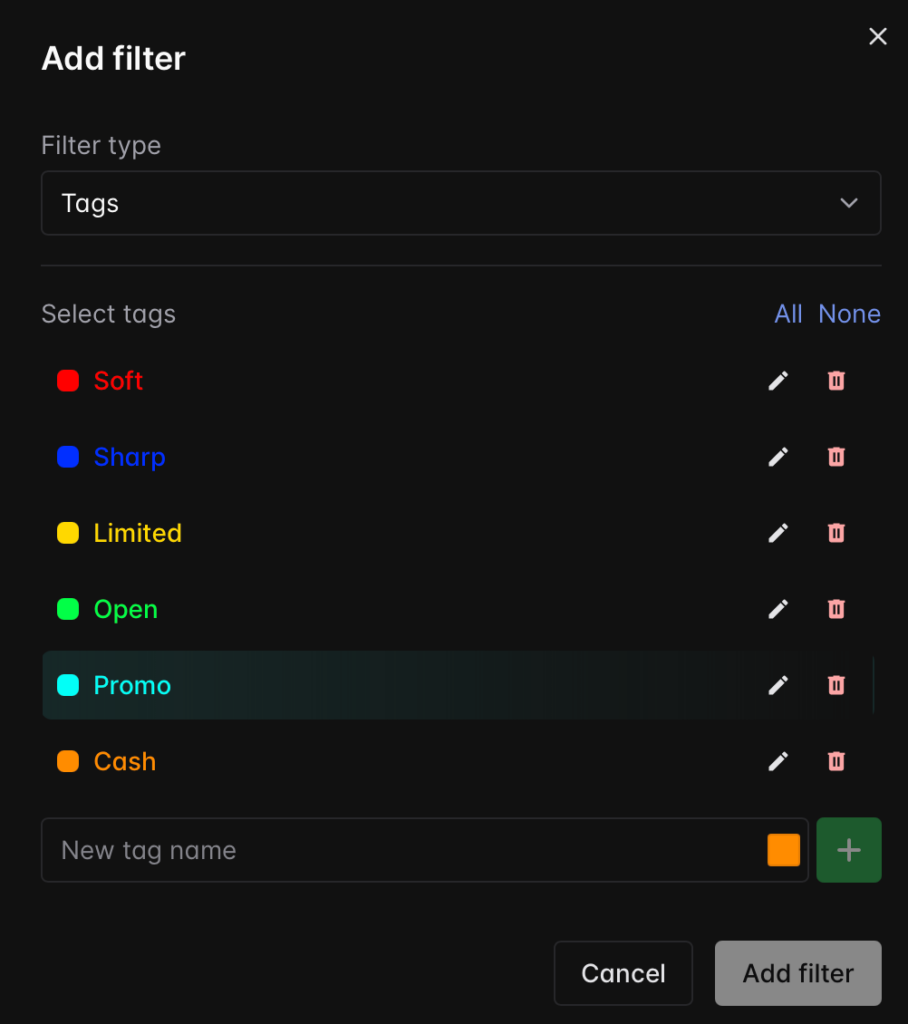
Three simple tags fix this:
- Soft or sharp: where the bet was placed
- Limited or open: the current status of that account
- Promo or cash: whether a boost or bonus was involved
Once every bet carries those tags, you can filter. Check your CLV on cash bets only. Compare ROI at sharp books separately from soft ones. See whether your limited accounts are still showing positive CLV, even at the smaller stakes they’ll now take.
What the Numbers Actually Tell You
CLV settles faster than win rate does, but it still needs a decent sample before you trust it.
If you’re beating the sharp close across a large enough sample, your process is probably sound. Getting limited then becomes a sizing problem, not an edge problem, and it points you toward sharp books and exchanges that still accept winning action. If you’re only beating soft closes, be careful. That might just mean you were beating slow books, and that skill doesn’t carry over once the soft accounts dry up.
Track It in One Place
This gets a lot easier when every bet lives in the same place instead of scattered across apps and notes. BetUnfair’s Bet Tracker lets you log each bet with tags like soft, sharp, limited, open, promo, and cash, then filter by any of them to see how each group actually performs on its own.
If you want to see what your record looks like once the promo noise is gone, start tracking at betunfair.io.
FAQ
Does getting limited mean I have an edge?
Not on its own. Soft books often limit accounts that keep beating their prices, but they can limit for other reasons too. Checking your bets against a sharp close gives you a clearer answer.
Why not just measure CLV against the soft book that limited me?
That book’s closing price can move to manage its own liability, not to reflect the true odds. A sharp close like Pinnacle is a cleaner, more honest benchmark.
Should promo bets count toward my ROI?
Track them, but keep them separate. Promo value comes from the bonus, not from your betting skill, so mixing the two hides your real performance.
How many bets do I need before CLV means something?
There’s no fixed number. CLV settles faster than win rate, but you still want a decent sample before drawing conclusions. Watch the trend over time rather than any single week.
Keywords: closing line value · CLV betting · getting limited sportsbook · sharp close vs soft close · de-vigged odds · bet tracker tags · ROI sports betting · Pinnacle closing line · tracking bets by tag · value betting after limits